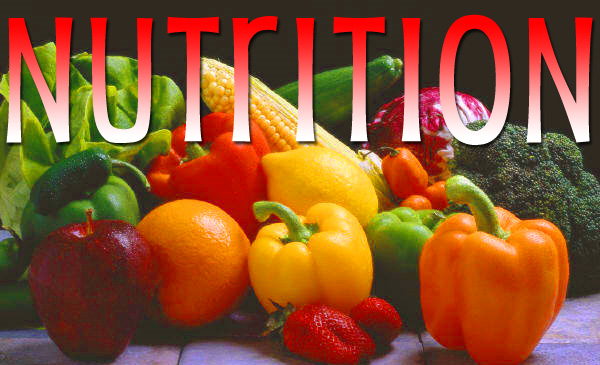
Healthy Eating for the Average Teenager
Wednesday, April 27, 2011
Why is it Important for Teens to Eat Healty?
Nutrition is a large part of an average teen's life. Although one might not think it, eating different kinds of foods can change your lifestyle. Some of the short term benefits of eating healthy include:
• Provides energy for the day. Teens who eat healthy are more energetic and awake in class.
• Allows you to grow. Nutrition plays an important role in how tall you'll be. Some examples include protien, which helps you build muscle, and calcium, which makes your bones strong.
• Eating right helps you avoid obesity, which prevents you from staying active and having fun with things you like to do.
In addition to having short term benefits, how you eat as a teen will affect you for the rest of your life. As already stated, obesity is a short term disadvantageous factor, but it has the potential to follow you into your later years if you don't eat healthy. Cardiovascular diseases and others such as Osteoporosis, caused by lack of calcium, and Rickets, caused by lack of vitamin D, are also big health risks.
Sources:
http://www.nutritionzing.com/
http://www.altiusdirectory.com/Health/improper-diet.html
http://briskhamra.files.wordpress.com/2011/02/nutrition11.jpg
How do you Determine the Daily Caloric Requirement for Teens?
Although the average person has a 2,000 calorie diet, which is reflected on the nutrition facts, this number is different for every person. Finding out how many calories you need as a teenager can be difficult, but recognizing the variables makes it easier.
Some variables that affect daily caloric needs are
• gender
• height
• weight
• activity level
There are also methods for calculating you daily caloric needs for both males and females. Here you can see that gender, weight and height all affect how much you should be eating per day.
for males
66+(6.23 x your weight in lb)+(12.7 x your height in inches)-(6.8 x age in years)=basic metabolic rate for a male.
for females
655+(4.35 x weight in lb)+(4.7 x height in cm)-(4.7 x age in years)=basic metabolic rate for a female.
Using your basic metabolic rate you can now find your daily caloric needs based on your activity level using the Harris Benedict equation. This equation involves multiplying your basic metabolic rate by your activity level.
these are the activity levels
BMR(basic metabolic rate)
Sedentary = BMR X 1.2 (little or no exercise, desk job)
Lightly active = BMR X 1.375 (light exercise/sports 1-3 days/wk)
Mod. active = BMR X 1.55 (moderate exercise/sports 3-5 days/wk)
Very active = BMR X 1.725 (hard exercise/sports 6-7 days/wk)
Extr. active = BMR X 1.9 (hard daily exercise/sports & physical job or 2X day training, i.e marathon, contest etc.)
so basic metabolic rate X activity level=daily caloric needs
This equation is pretty accurate and the only variable it does not account for is lean body mass. This makes the equation pretty accurate in everyone except the very muscular and very obese person.
Sources:
http://www.bmi-calculator.net/bmr-calculator/bmr-formula.php
http://healthrecipes.com/calories.htm
http://www.drugs.com/cg/normal-diet-for-adolescents-12-to-18-years-of-age.html
Some variables that affect daily caloric needs are
• gender
• height
• weight
• activity level
There are also methods for calculating you daily caloric needs for both males and females. Here you can see that gender, weight and height all affect how much you should be eating per day.
for males
66+(6.23 x your weight in lb)+(12.7 x your height in inches)-(6.8 x age in years)=basic metabolic rate for a male.
for females
655+(4.35 x weight in lb)+(4.7 x height in cm)-(4.7 x age in years)=basic metabolic rate for a female.
Using your basic metabolic rate you can now find your daily caloric needs based on your activity level using the Harris Benedict equation. This equation involves multiplying your basic metabolic rate by your activity level.
these are the activity levels
BMR(basic metabolic rate)
Sedentary = BMR X 1.2 (little or no exercise, desk job)
Lightly active = BMR X 1.375 (light exercise/sports 1-3 days/wk)
Mod. active = BMR X 1.55 (moderate exercise/sports 3-5 days/wk)
Very active = BMR X 1.725 (hard exercise/sports 6-7 days/wk)
Extr. active = BMR X 1.9 (hard daily exercise/sports & physical job or 2X day training, i.e marathon, contest etc.)
so basic metabolic rate X activity level=daily caloric needs
This equation is pretty accurate and the only variable it does not account for is lean body mass. This makes the equation pretty accurate in everyone except the very muscular and very obese person.
Sources:
http://www.bmi-calculator.net/bmr-calculator/bmr-formula.php
http://healthrecipes.com/calories.htm
http://www.drugs.com/cg/normal-diet-for-adolescents-12-to-18-years-of-age.html
What is the Importance of Macronutrients?
It is very important to understand the importance of Macro nutrients in a teen's diet. Protiens, Carbyhydrtes, and Fats are all essential to a good diet.
Protiens:
Proteins help to build muscle in the body. They are composed of amino acids. It is recommended that the average teen intakes about 46-52 grams of protein per day. One of the most common, obvious sources of protein is meat. However, there are also foods which are rich in protien such as: soy beans and soy products, various nuts, beans, dairy products (milk, yogurt primarily), and vegtables such as broccoli.
Carbohydrates:
Commonly abreviated as "carb", this macro nutrient is composed of sugar and used by the body as energy storage. Thus, athletes often "carb load" before a big competition. An average teenager doesn't need to do this, but carbs are still a vital part of their diet. Generally, teens with average activity level should be taking in ~250 grams of carbohydrates per day. An average teen Some sources of carbohydrates are foods such as pastas, breads, and potatoes.
Fats:
When most people hear the word fat, they think of McDonalds and bad fatty foods. However, there are two types of fat. There is indeed the McDonalds, bad type of fat, but there are also good types of fat called essential fatty acids. These types of fat are good to have in your diet and essential for life. Fat is mainly used for long term energy storage by the body, and it's composed of fatty acids. Some examples of foods with good fat in them are: oils, nuts, and dairy (eggs in particular).
http://www.vitalhealthzone.com
http://www.mealsmatter.org/articles-and-resources/healthy-living-articles/teen-nutrition.aspx
http://kidshealth.org/teen/food_fitness
Protiens:
Proteins help to build muscle in the body. They are composed of amino acids. It is recommended that the average teen intakes about 46-52 grams of protein per day. One of the most common, obvious sources of protein is meat. However, there are also foods which are rich in protien such as: soy beans and soy products, various nuts, beans, dairy products (milk, yogurt primarily), and vegtables such as broccoli.
Carbohydrates:
Commonly abreviated as "carb", this macro nutrient is composed of sugar and used by the body as energy storage. Thus, athletes often "carb load" before a big competition. An average teenager doesn't need to do this, but carbs are still a vital part of their diet. Generally, teens with average activity level should be taking in ~250 grams of carbohydrates per day. An average teen Some sources of carbohydrates are foods such as pastas, breads, and potatoes.
Fats:
When most people hear the word fat, they think of McDonalds and bad fatty foods. However, there are two types of fat. There is indeed the McDonalds, bad type of fat, but there are also good types of fat called essential fatty acids. These types of fat are good to have in your diet and essential for life. Fat is mainly used for long term energy storage by the body, and it's composed of fatty acids. Some examples of foods with good fat in them are: oils, nuts, and dairy (eggs in particular).
http://www.vitalhealthzone.com
http://www.mealsmatter.org/articles-and-resources/healthy-living-articles/teen-nutrition.aspx
http://kidshealth.org/teen/food_fitness
What Foods Should You Stay Away From?
Although it's ok for teens to snack during the day, you want to be snacking on healthy food. Some foods should be kept away from such as:
• Fat heavy foods or lard food sources such as (a lot of) butter. This is the bad fat. Fatty acids are the good type of fat which your body needs to stay alive. Don't confuse the two!
• Trans fat. This is one of the worst foods for teens and is becoming more popular now days. Avoid foods that are rich in trans fat.
• Too much red meat. Many red meats are high in saturated fats, which can raise the risk for heart disease. This can also raise your cholesterol.
• Foods high in salt tend to be bad. Sodium itself is not a bad thing, but foods such as Cup Noodle and other instant foods are bad for you and should be kept out of your diet.
• Home cooked meals are generally healthier than restaurant foods. This is an easy way to choose what you want to have in your diet.
• Stay away from fast foods. They are high in sodium and the bad type of fat. Again, snacking is perfectly acceptable, but you want to snack on healthy foods, such as fruits or vegetables.
Sources:
http://www.child.net/articles/dieting
http://www.cspinet.org/nah/10foods_bad.html
• Fat heavy foods or lard food sources such as (a lot of) butter. This is the bad fat. Fatty acids are the good type of fat which your body needs to stay alive. Don't confuse the two!
• Trans fat. This is one of the worst foods for teens and is becoming more popular now days. Avoid foods that are rich in trans fat.
• Too much red meat. Many red meats are high in saturated fats, which can raise the risk for heart disease. This can also raise your cholesterol.
• Foods high in salt tend to be bad. Sodium itself is not a bad thing, but foods such as Cup Noodle and other instant foods are bad for you and should be kept out of your diet.
• Home cooked meals are generally healthier than restaurant foods. This is an easy way to choose what you want to have in your diet.
• Stay away from fast foods. They are high in sodium and the bad type of fat. Again, snacking is perfectly acceptable, but you want to snack on healthy foods, such as fruits or vegetables.
Sources:
http://www.child.net/articles/dieting
http://www.cspinet.org/nah/10foods_bad.html
3 Day Meal Plan
Day One:
Breakfast
• bowl of oatmeal with blueberries and almonds
• glass of milk
• 2 scrambled eggs
Lunch
• tuna sandwich on whole wheat bread
• bowl of tomato soup
• cup of apple juice
Diner• roasted chicken with brown rice
• fruit salad with apples, grapes, bannanas
• glass of milk
Day Two:
Breakfast
• large bowl of vanilla yogurt with granola and berries
• cup of orange juice
Lunch
• green vegetable salad with light vinaigrette dressing
• grilled chicken sandwich with tomatoes
• bottle of water
Diner• tofu beef stirfry
• small green salad
• fresh fruit smoothy
Day Three:
Breakfast
• bowl of whole wheat cereal with milk
• whole wheat bagel with cream cheese
• cup of milk
Lunch
• bowl of pasta salad
• turkey wrap with lettuce, tomatoes, and a whole wheat tortillia
• cup of orange juice
Diner
• salmon spinach pasta with olive oil and garlic
• carrot sticks with low fat ranch dip
• açai juice
http://www.todaystmj4.com/features/lauriemeyer/45574292.html
http://www.disabled-world.com/artman/publish/healthy-lunches.shtml
ww.x-raytechnicianschools.org/florida/the-100-most-unhealmerican-diet/
Breakfast
• bowl of oatmeal with blueberries and almonds
• glass of milk
• 2 scrambled eggs
Lunch
• tuna sandwich on whole wheat bread
• bowl of tomato soup
• cup of apple juice
Diner• roasted chicken with brown rice
• fruit salad with apples, grapes, bannanas
• glass of milk
Day Two:
Breakfast
• large bowl of vanilla yogurt with granola and berries
• cup of orange juice
Lunch
• green vegetable salad with light vinaigrette dressing
• grilled chicken sandwich with tomatoes
• bottle of water
Diner• tofu beef stirfry
• small green salad
• fresh fruit smoothy
Day Three:
Breakfast
• bowl of whole wheat cereal with milk
• whole wheat bagel with cream cheese
• cup of milk
Lunch
• bowl of pasta salad
• turkey wrap with lettuce, tomatoes, and a whole wheat tortillia
• cup of orange juice
Diner
• salmon spinach pasta with olive oil and garlic
• carrot sticks with low fat ranch dip
• açai juice
Sources:http://zenhabits.net/10-tasty-easy-and-heal
thy-breakfast-ideashttp://www.todaystmj4.com/features/lauriemeyer/45574292.html
http://www.disabled-world.com/artman/publish/healthy-lunches.shtml
ww.x-raytechnicianschools.org/florida/the-100-most-unhealmerican-diet/
Subscribe to:
Posts (Atom)